})
For multi cavity blow molding machines with four cavity and six cavity outputs are more cavities always better
Don’t blindly pursue higher cavity counts! Practical Tips for Blow Molding Machine Selection.
Multi-Cavity Blow Molding Machines: Efficiency Comes With Proper Matching
Many blow molding manufacturers have a common misunderstanding during equipment selection: the more cavities a machine has, the higher its output and the better the machine.In actual production, higher cavity quantity does not equal a better multi-cavity blow molding machine. The key is to match your order structure, mold change frequency and production capacity requirements. The properly fitted solution delivers the best efficiency.
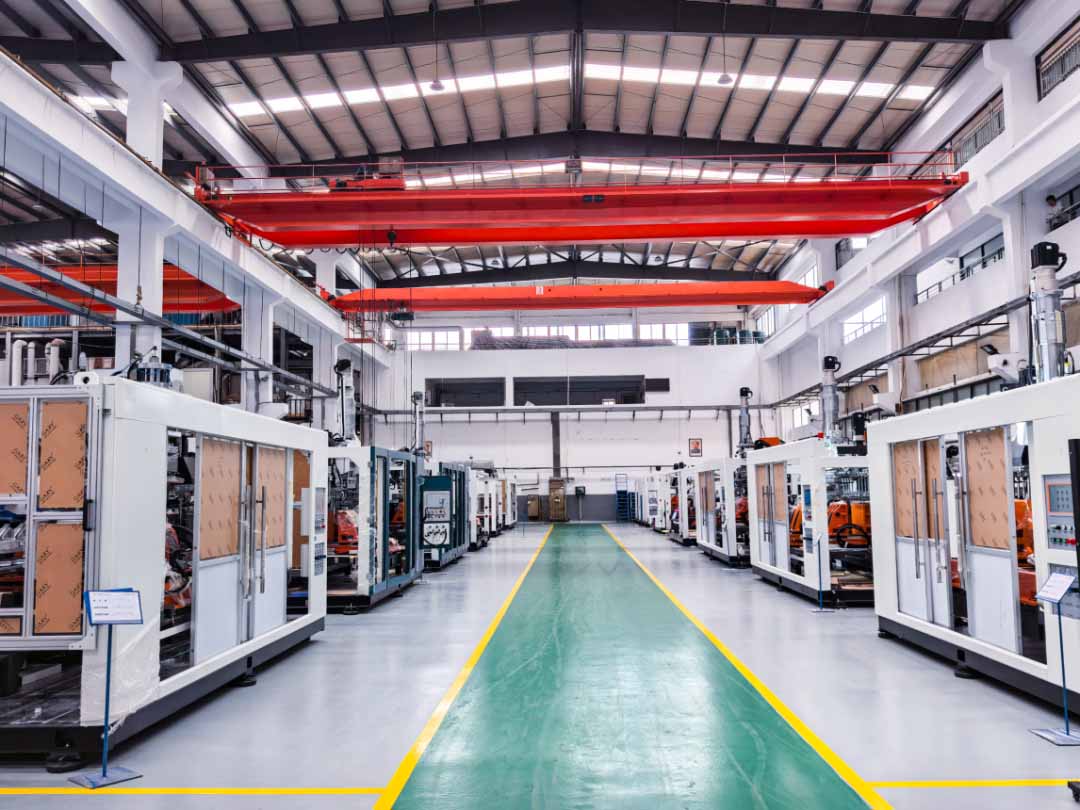
Currently, the mainstream extrusion blow molding machines are available in 2-cavity, 4-cavity, 6-cavity and 8-cavity models, each engineered for specific application scenarios.
2-Cavity Model:
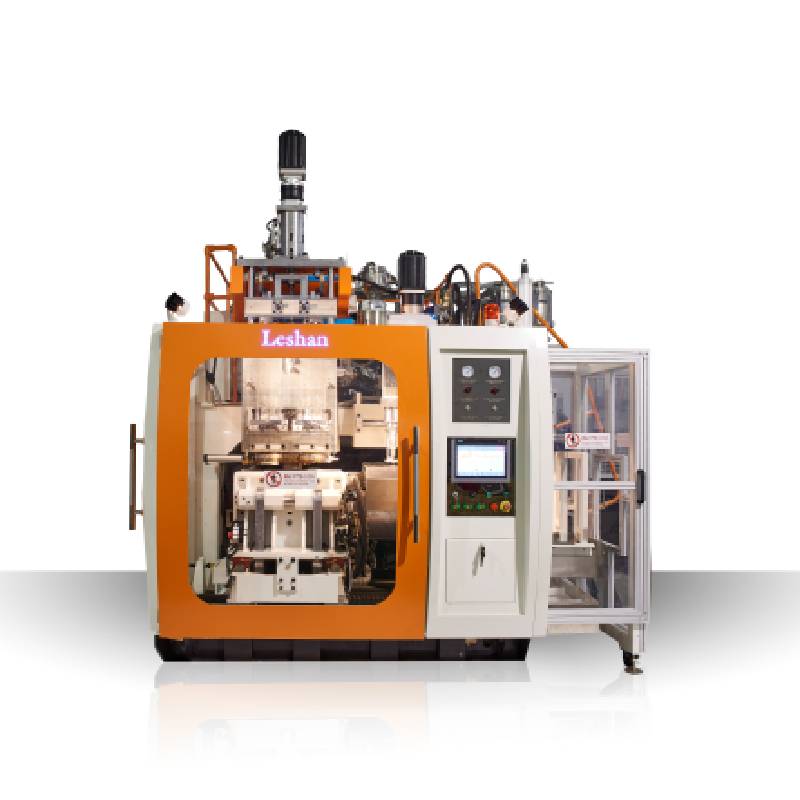
The top choice for versatility and stability. Ideal for multi-product, small-batch production with frequent mold changes. It features simple commissioning, low failure rate and high fault tolerance. It is the optimal solution for shaped bottles, customized containers and small repeat orders, meeting flexible production demands of most small and medium-sized processing factories.
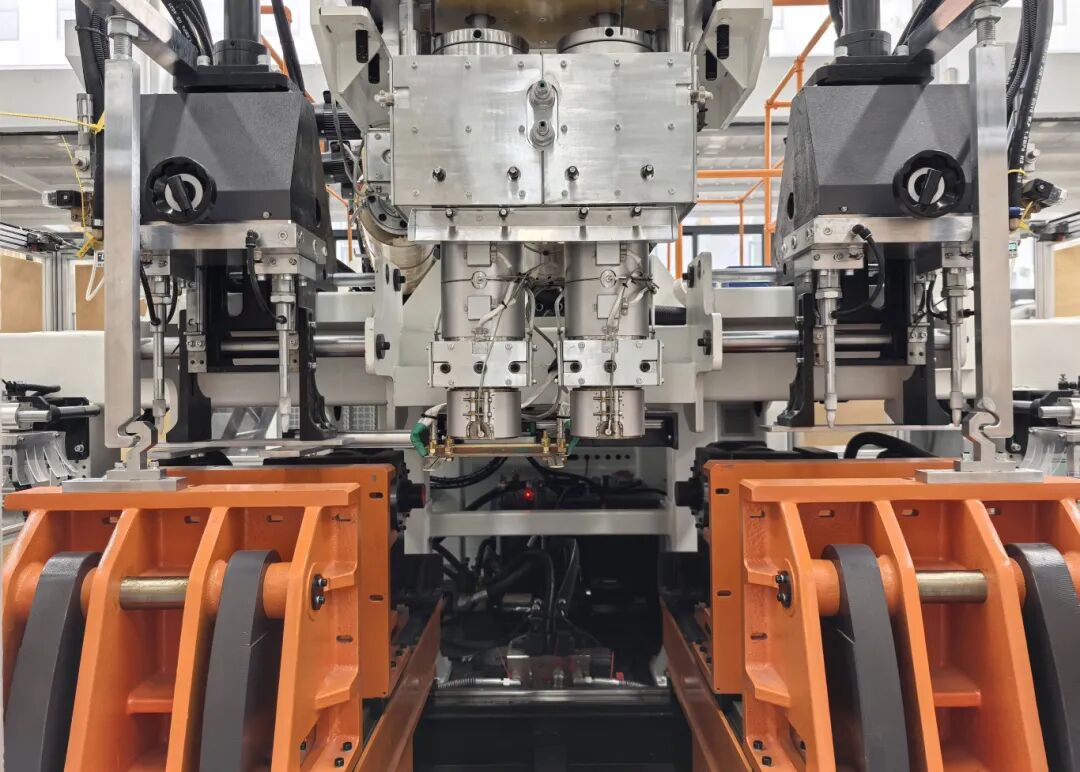
4-Cavity Model:
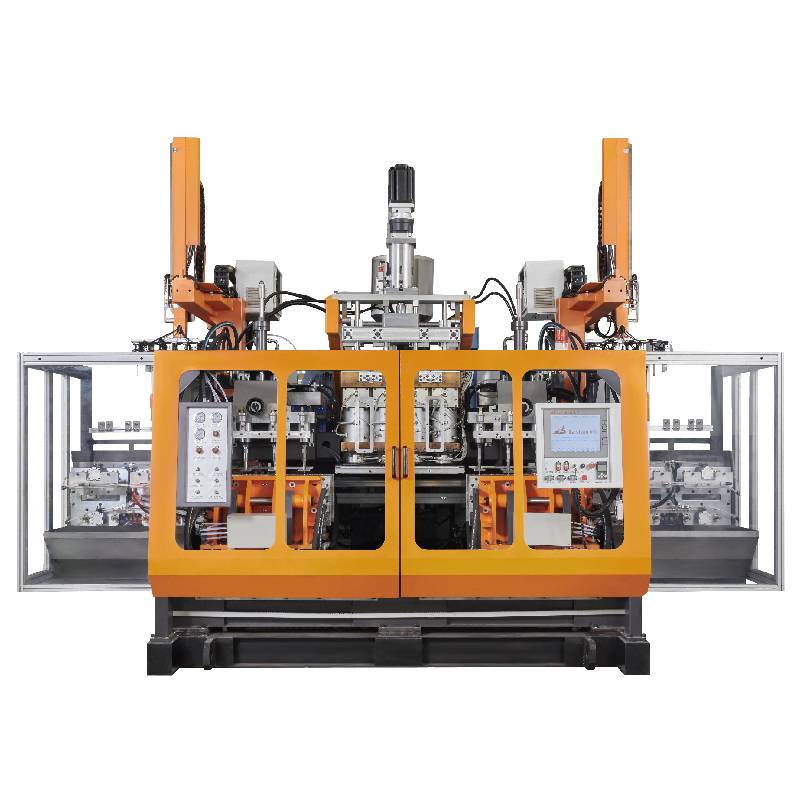
The best all-round choice for cost performance. It balances output and machine stability, suited for mass production of standard containers including daily chemical bottles, detergent bottles and disinfectant bottles. It delivers fewer defects and lower maintenance costs, serving as the mainstream production model for small and medium packaging manufacturers.
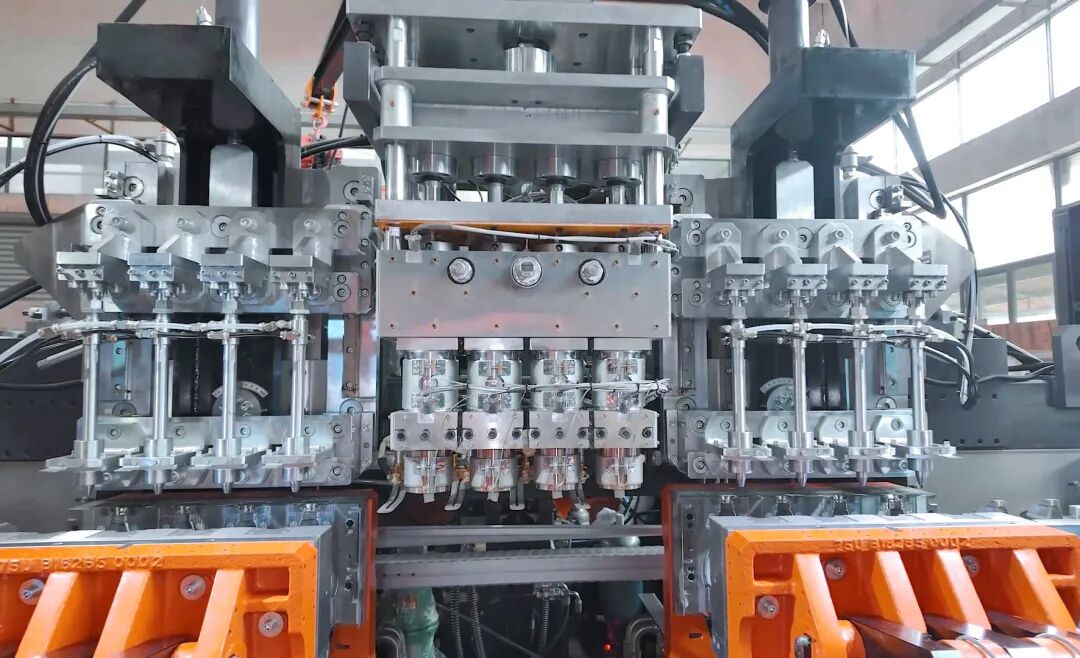
6-Cavity Model:
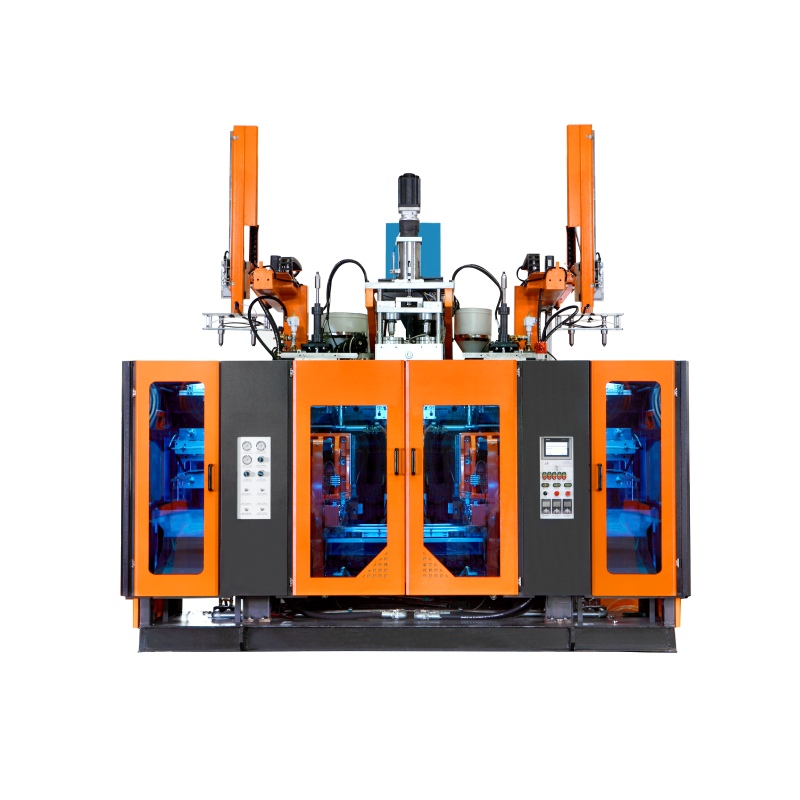
Dedicated to high-speed mass production. Designed for large-volume orders, infrequent mold changes and standardized assembly line production. It boasts remarkable daily output advantages, ideal for large manufacturers, steady bulk export orders and continuous mass production of a single product type.
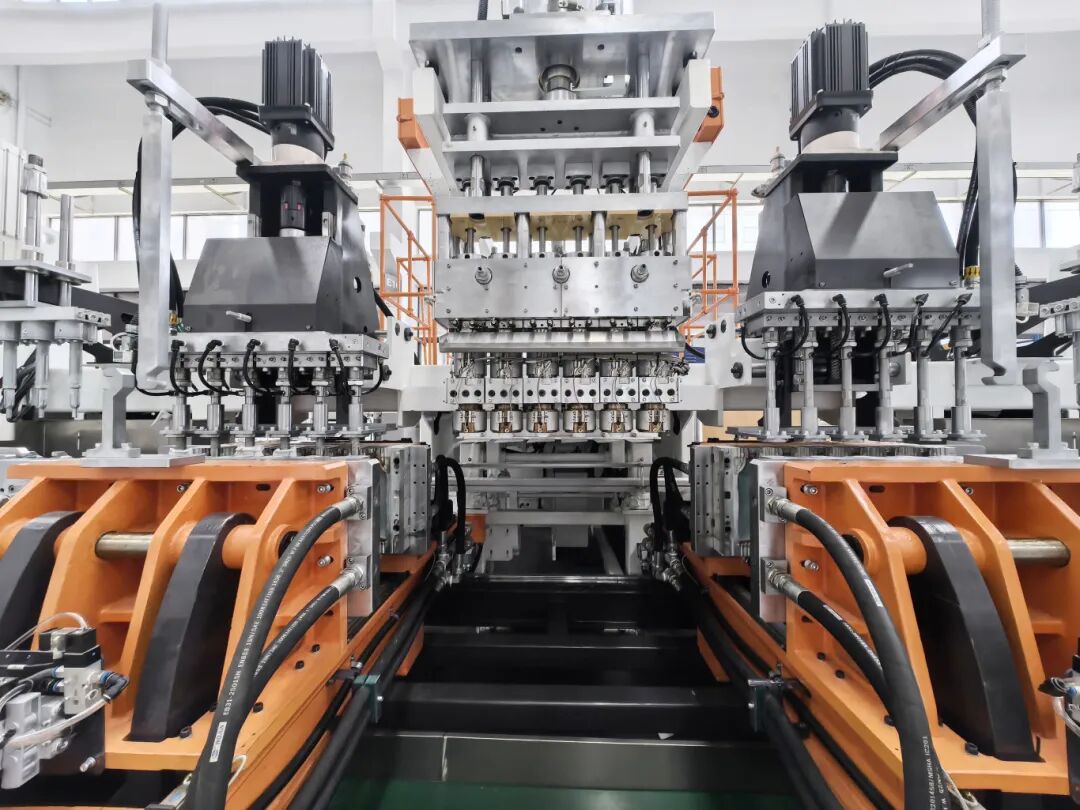
8-Cavity Model:
High-speed model with ultra-high capacity. It is suitable for continuous mass production of small standard bottles such as milk bottles, and designed for large production lines with infrequent mold changes. Although it features prominent capacity advantages, it applies to dedicated scenarios and only works for highly standardized production lines.
High-speed model with ultra-high capacity. It is suitable for continuous mass production of small standard bottles such as milk bottles, and designed for large production lines with infrequent mold changes. Although it features prominent capacity advantages, it applies to dedicated scenarios and only works for highly standardized production lines.
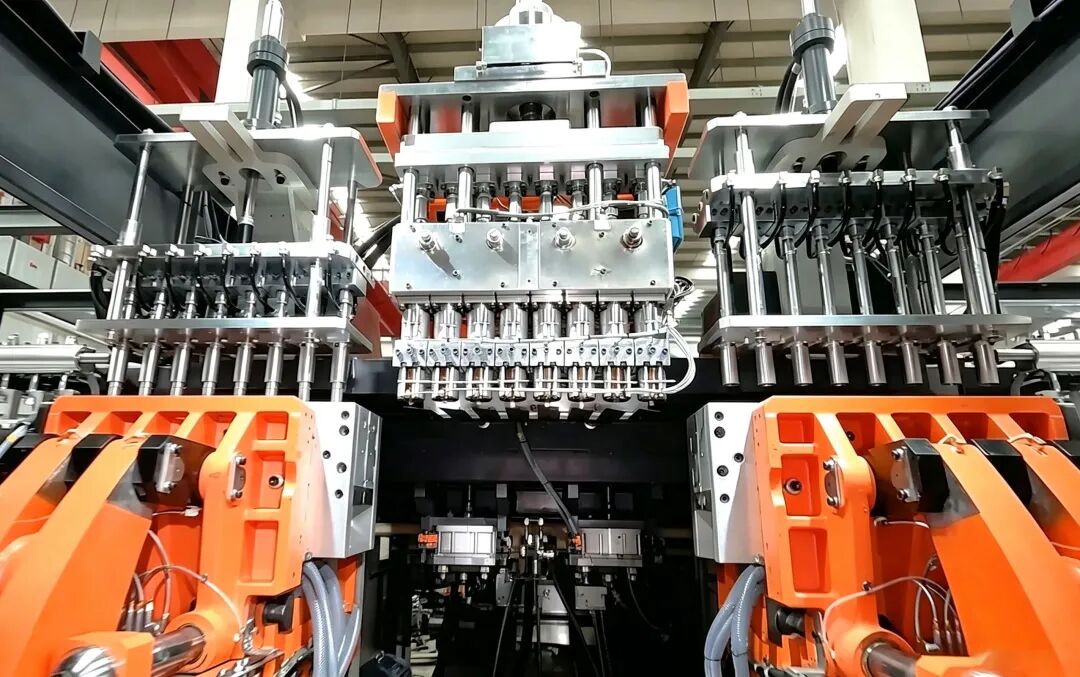
Many companies overlook this point during equipment selection:
The higher the cavity count of a blow molding machine, the stricter the technical requirements for machine rigidity, flow path balance, servo synchronization and uniform cooling. Blindly selecting a high-cavity model may lead to uneven weight among molded products, forming deviations and unstable operation, which directly reduce yield rate and production efficiency.
To achieve stable and high output with multi-cavity equipment, it must be equipped with a balanced die head, precise timing synchronization and uniform cooling system to ensure consistent forming and identical quality of products from all cavities.
With more than 30 years of experience in blow molding equipment, Leshan Intelligent recommends manufacturers to select machines rationally based on bottle specifications, order volume, mold change frequency and plant energy consumption conditions. Abandon the misconception of simply pursuing more cavities and choose models according to actual demands. This is the key to stable production, cost reduction, quality improvement and efficiency enhancement for your production line.